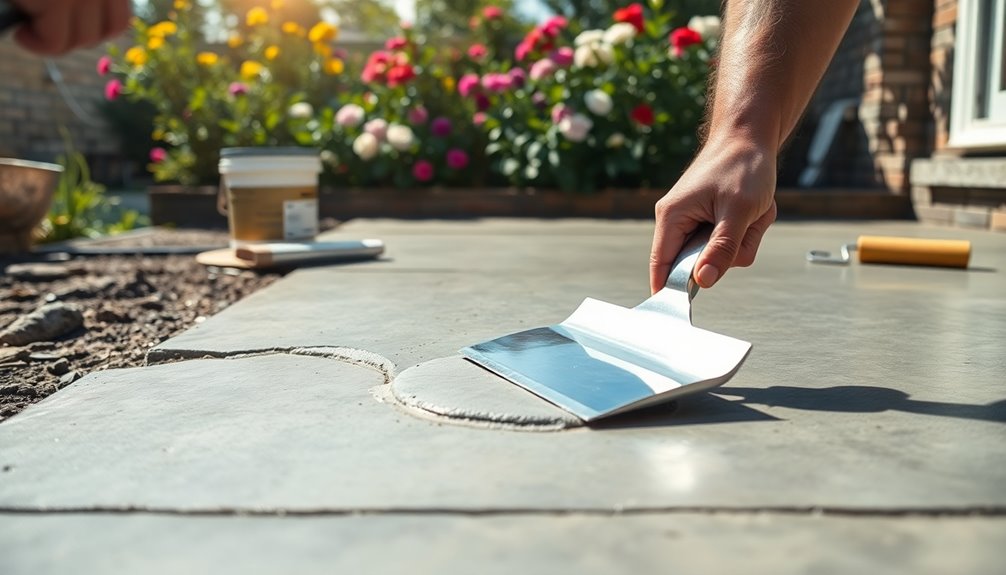
How to Repair Concrete and Boost Home Appeal Fast
To repair concrete and quickly improve your home’s appeal, start by checking for cracks and discoloration. Use epoxy fillers for cracks and patching compounds for surface damage. Clean the area thoroughly before applying these materials. Make sure to choose fast-setting options if it’s hot outside. Finally, allow the repairs to cure properly. With the right approach, you can enhance both aesthetics and durability. Stick around to discover more crucial tips for long-lasting results!
Article Highlights
- Inspect concrete surfaces for cracks and discoloration, addressing issues promptly to maintain appeal and prevent further damage.
- Choose compatible repair materials like epoxy fillers for cracks and patching compounds for surface damage to ensure durability.
- Clean the area thoroughly before repairs using power washing and scraping to enhance material adhesion and finish quality.
- Apply crack sealing and surface patching techniques, ensuring smooth transitions for a visually appealing repair.
- Regularly maintain and inspect repaired areas to preserve their condition and boost the overall appeal of your home.
Spotting Damage in Your Concrete: What to Look For?
When you’re inspecting your concrete, it’s essential to know what signs of damage to look for. First off, let’s talk about crack identification. If your concrete looks like a spider web auditioning for a horror movie, it’s time to pay attention. Tiny cracks can sneak in like unwanted guests, whereas bigger ones might throw a party! Next, check for surface discoloration. If your once-pristine patio now resembles a tie-dye shirt, that’s a red flag. Discoloration can signal water damage or wear and tear. Remember, spotting these issues early can save you from a costly concrete crisis later. So, grab your magnifying glass and channel your inner detective—your concrete deserves some TLC!
Choosing the Right Materials for Concrete Repair
In terms of concrete repair, selecting the appropriate materials is essential for a lasting fix. You’ll need to take into account the types of repair materials available and how environmental conditions might influence your choice. Making the right selection can save you time and money in the long run.
Types Of Repair Materials
Choosing the right repair materials for concrete is crucial, as the success of your project often hinges on their compatibility with the existing structure. Think of it like pairing socks with sandals: if they don’t match, you’ll regret it! For cracks that need a superhero touch, epoxy fillers are your go-to. They bond like your favorite sitcom couple—strong and lasting! Conversely, patching compounds are perfect for those pesky potholes, swooping in to save the day with a smooth finish. Just remember, your choice can make or break the project, so pick wisely. After all, you don’t want your repair to look like a bad haircut—unless you’re going for that “I just gave up” vibe!
Consider Environmental Conditions
Since environmental conditions can greatly impact the outcome of your concrete repair, it’s essential to take into account factors like temperature, humidity, and exposure to moisture. You wouldn’t wear a parka in July, right? Similarly, don’t use a concrete mix that’s not suited for the weather effects at hand!
If it’s sweltering outside, opt for fast-setting materials to beat the heat. On the flip side, during winter, you might need additives to help the mix cure properly. Seasonal considerations are vital—nobody wants their repair to crack faster than a bad dad joke! So, check the forecast, choose your materials wisely, and give your concrete the best chance to shine, no matter what Mother Nature throws at you!
Techniques for Renewing Concrete: What You Need to Know
In terms of renewing concrete, surface preparation is vital for a successful repair. You’ll want to familiarize yourself with various repair methods to find the best fit for your project. Let’s explore these important techniques together.
Surface Preparation Techniques
Proper surface preparation is essential for successful concrete repair, and there are several techniques you can use to guarantee a strong bond and a smooth finish. You wouldn’t want your concrete repair to look like a bad haircut, right? So, let’s get down to business with some surface cleaning and preparation tips!
- Power Wash: Blast away dirt like it’s your ex’s number!
- Scrape Off Old Paint: No one wants traces of last decade’s DIY project.
- Fill in Cracks: Think of it as giving your concrete a little Botox.
- Dry the Surface: Make sure it’s bone dry—no one likes a soggy bottom!
With these techniques, you’re ready to tackle that concrete like a pro!
Repair Methods Overview
Though there are various methods for repairing concrete, choosing the right technique can make all the difference in ensuring a long-lasting result. You wouldn’t wear flip-flops to a snowstorm, right? The same logic applies to your concrete! Whether you opt for patching compounds, resurfacing, or even epoxy injections, each repair technique has its own charm and purpose. Want to boost that concrete longevity? Go for quality materials and proper prep work—it’s like giving your concrete a spa day! And don’t forget to read the fine print on any product; some are as temperamental as a cat on a rainy day. So, get ready to roll up those sleeves and transform your concrete woes into wins! Of course, if your repair project seems a bit over your head or you want guaranteed long-term results, don’t hesitate to reach out to a concrete contractor for repair who can handle even the toughest jobs.
Step-by-Step Guide: Repairing Cracks and Surface Damage
Repairing cracks and surface damage in concrete can seem intimidating, but with the right approach, you can tackle it effectively. Just think of it as giving your concrete a little spa day! Here’s a quick step-by-step guide to get you started:
- Clean the Area: Remove dirt and debris like you’re prepping for a dinner party.
- Apply Crack Sealing: Fill in those cracks with a sealant—think of it as filling in a bad haircut.
- Surface Patching: Smooth out the patched areas, making them look flawless—no one likes a lumpy concrete face!
- Finishing Touch: Let it cure, then admire your handiwork. You’re basically the Michelangelo of concrete now!
Get out there, and show those cracks who’s boss!
Must-Have Tools for Effective Concrete Repair
Once you’ve tackled those cracks and surface damage, having the right tools on hand can make your concrete repair job even easier. First up on your tools checklist is a sturdy trowel—think of it as your trusty sidekick. You’ll additionally need a concrete mixer, except you enjoy arm workouts more than actual repairs. Don’t forget a level, since nobody wants a lopsided driveway! A concrete saw and a good pair of gloves are also repair necessities, except you’re going for that “clumsy artist” look. Finally, a sturdy broom will help you sweep away your worries (and dust). With these tools, you’ll be the concrete repair superhero your driveway didn’t know it needed!
Tips for Maintaining Your Repaired Concrete Surfaces
To keep your repaired concrete surfaces looking their best, regular maintenance is key. Think of it as giving your concrete a spa day—minus the cucumber slices! Here are some tips to keep your surfaces in tip-top shape:
- Use sealing techniques every couple of years to protect against moisture and stains. Your concrete deserves a raincoat!
- Regular cleaning is a must; a little soap and water can work wonders. Just don’t invite your concrete to the bubble bath.
- Avoid using harsh chemicals that could cause more harm than good. Treat it gently, like you would a baby elephant.
- Keep heavy objects off your concrete to prevent any cracking. Your surfaces aren’t weightlifters, after all!
With these tips, your concrete will shine like a star!
Frequently Asked Questions
How Long Does Concrete Repair Typically Last?
Concrete repair can last anywhere from five to ten years, kinda like a stubborn house guest who won’t leave! But, its longevity really depends on factors like weather, how much traffic it sees, and your maintenance tips. Keep it clean, seal it regularly, and avoid heavy loads as if you’re dodging an ex at a party. Treat it right, and you’ll have a solid surface that stands the test of time!
Can I Repair Concrete in Cold Weather?
Sure, you can repair concrete in cold weather, but you’ll need to be smart about it! Cold weather considerations mean you should use special additives or heaters to help it cure properly. Think of it as giving your concrete a cozy blanket. Just remember, if you’re shivering, your concrete probably is too! Keep it warm, and use good concrete curing techniques, or you might end up with a lumpy ice sculpture instead of a smooth surface!
Is Sealing Necessary After Concrete Repair?
Sealing’s definitely necessary after concrete repair! Think of it like putting on sunscreen after a fresh haircut; you want to protect that investment. Sealing benefits include preventing water damage and cracking, keeping your concrete looking sharp. There are various sealing techniques, like applying a clear sealant or using a tinted option for flair. So, don’t skip this step—your concrete deserves a little TLC, just like you do after a trip to the salon!
How Can I Enhance the Color of Repaired Concrete?
To improve the color of your repaired concrete, you can use color staining or a dye application. It’s like giving your concrete a makeover! Just think of it as a spa day for your driveway. Apply the stain or dye, and voilà—your concrete’s got a fresh, lively look! Just make sure you follow the instructions, or it might end up looking like a clown’s shoes instead of a stylish patio.
What Are the Costs Associated With Concrete Repair?
Oh, you thought concrete repair would be a walk in the park? Well, buckle up! The costs can vary widely, depending on repair methods, materials, and labor. You might be looking at anywhere from a few hundred bucks for minor cracks to several thousand for major resurfacing. Don’t forget to factor in those sneaky cost factors like location and weather conditions—they love to crash your budget party! So, plan wisely, buddy!