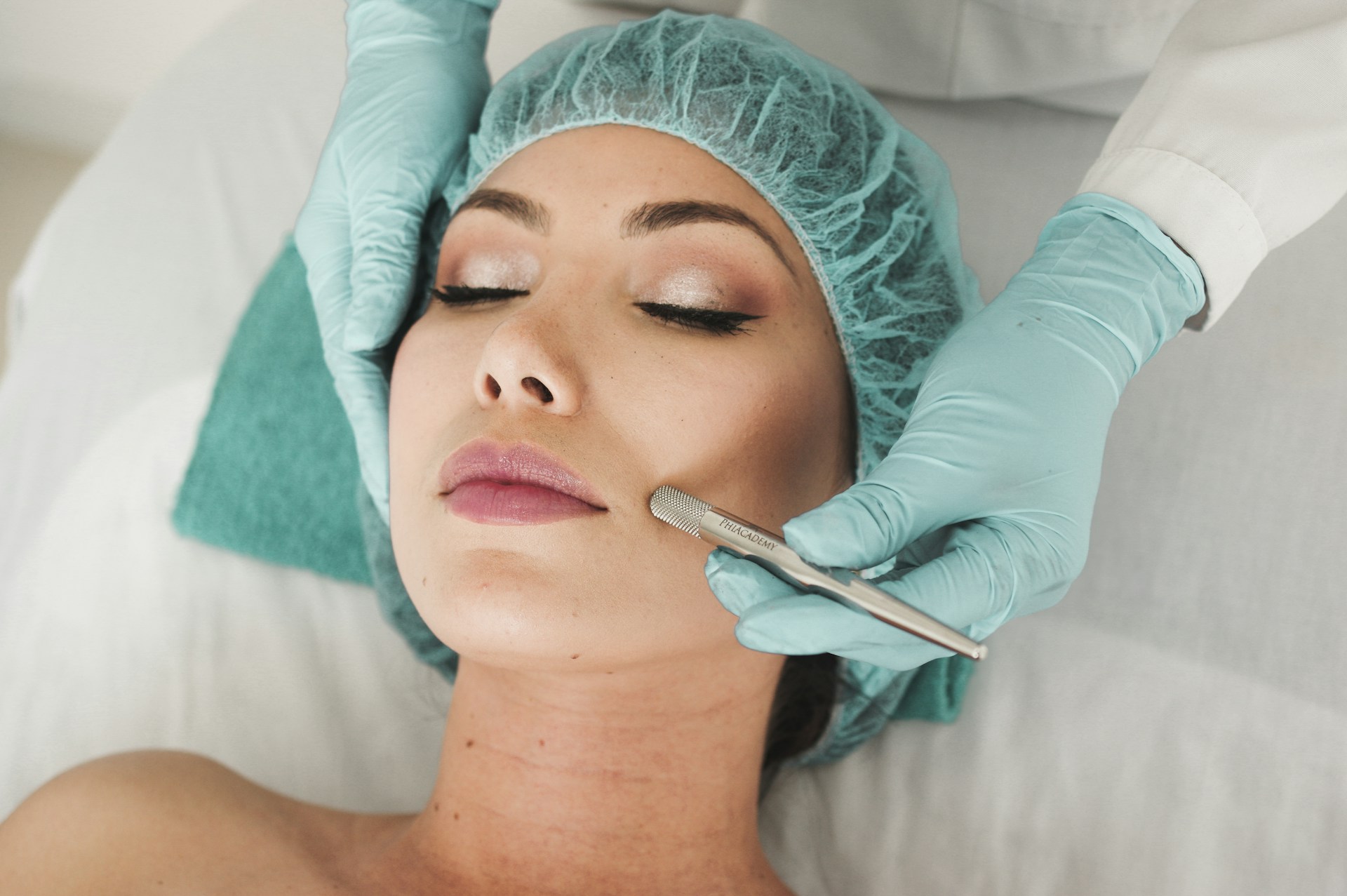
How Facial Cosmetic Surgery Enhances Natural Features
Facial cosmetic surgery boosts natural features through subtle adjustments that promote aesthetic harmony. It focuses on refining contours and correcting imbalances while preserving an individual’s unique identity. Procedures like dermal fillers and eyelid surgeries improve facial symmetry without drastic changes. Many patients experience increased confidence and improved self-esteem post-surgery. By balancing enhancement with authenticity, these transformations lead to long-term satisfaction. Exploring further reveals more about the impact and experience of these cosmetic procedures.
Article Highlights
- Facial cosmetic surgery creates subtle adjustments that enhance aesthetic harmony, refining features while preserving individual identity.
- Customizable treatments respect unique facial characteristics, ensuring enhancements align with natural features for authentic results.
- Procedures such as dermal fillers and brow lifts improve facial symmetry, contributing to a more balanced, youthful appearance.
- Focus on natural improvement fosters confidence and emotional well-being, supporting personal growth and stronger social interactions.
- Enhanced features reflect patients’ true selves, mitigating the risk of an artificial appearance for long-term satisfaction.
Why Choose Facial Cosmetic Surgery for Natural Enhancement?
Why choose facial cosmetic surgery for natural improvement? Individuals seeking to enhance their appearance often turn to this specialized field for its ability to create subtle refinements that promote aesthetic harmony. Within this area of care, plastic surgery plays a central role by combining advanced surgical training with artistic precision to deliver balanced, natural-looking results.
Facial cosmetic plastic surgery focuses on refining contours, correcting asymmetries, and restoring proportion while preserving each person’s unique identity. Procedures such as rhinoplasty, eyelid surgery, and brow lifts are designed to enhance existing features rather than dramatically alter them. The emphasis remains on subtle improvement — helping patients look refreshed and confident without appearing artificial.
By prioritizing facial structure, individualized treatment planning, and long-term harmony, facial cosmetic plastic surgery offers a powerful option for those seeking to elevate their natural beauty with precision and authenticity.
The Psychological Benefits of Facial Cosmetic Surgery

Facial cosmetic surgery can lead to significant psychological benefits for individuals. Many report increased self-confidence levels, which positively influences their social interactions and overall body image. As a result, these improvements often contribute to a more fulfilling and engaged lifestyle.
Boosted Self-Confidence Levels
Self-confidence often blossoms in the wake of personal transformation, and for many, facial cosmetic surgery catalyzes this change. The procedure can lead to a significant boost in self-esteem, nurturing a renewed sense of confidence that permeates various aspects of life. Individuals frequently report heightened self-esteem and are more inclined to engage in social settings post-surgery. The psychological benefits illuminate the profound connection between appearance and self-perception.
| Aspect | Pre-Surgery | Post-Surgery |
|---|---|---|
| Self-Image | Often negative | Improved positivity |
| Social Engagement | Hesitant | More proactive |
| Emotional Health | Anxious | Enriched well-being |
| Self-Expression | Restricted | Freer expression |
| Personal Growth | Limited | Expanded horizons |
Enhanced Social Interactions
Many individuals experience a noticeable shift in their social interactions following facial cosmetic surgery. This transformation often improves their ability to perceive and respond to social cues, thereby enhancing communication skills. Enhanced facial features can lead to more favorable societal perceptions, which may, in turn, positively influence relationship dynamics. As individuals feel more at ease with their appearance, they often engage in greater self-expression, facilitating deeper personal connections. This newfound confidence can also enhance emotional intelligence, enabling more nuanced interactions. As a result, the quality of interactions may improve, cultivating stronger relationships and enriching social experiences. Overall, the psychological benefits of facial cosmetic surgery extend beyond aesthetics, profoundly impacting how individuals relate to others in their social environments.
Improved Body Image
The psychological effects of cosmetic procedures extend to improved body image, markedly transforming how individuals perceive themselves. Many experience a significant shift in self-perception, aligning more closely with societal standards and prevailing beauty ideals. This transformation often marks a pivotal moment in their personal quest for emotional wellness and self-acceptance. As individuals navigate cultural influences that shape their understanding of beauty, cosmetic surgery can foster newfound confidence. Enhanced body image not only boosts self-esteem but also promotes healthier relationships and social interactions. Ultimately, the psychological benefits of facial cosmetic surgery transcend mere aesthetics, nurturing a deeper connection to one’s identity and reinforcing a positive self-image amidst the intricacies of contemporary societal expectations.
What Procedures Enhance Natural Beauty?
How can cosmetic procedures improve one’s inherent features while maintaining a natural look? Subtle adjustments can improve facial symmetry and create balanced proportions, resulting in a more youthful appearance. Various procedures are customized to meet individual needs and can be categorized as follows:
- Contour Enhancements: Techniques like dermal fillers or cheek implants can refine facial structure while preserving natural contours.
- Age-Specific Procedures: Treatments such as eyelid surgery or brow lifts address specific aging concerns, ensuring results that align with one’s age.
- Individualized Treatments: Customizable approaches enable personalized improvements that respect each face’s unique characteristics, resulting in natural outcomes.
Together, these procedures offer transformative solutions that enhance inherent beauty without compromising authenticity.
Finding the Right Surgeon for Your Aesthetic Goals

Selecting the right surgeon is essential for achieving desired aesthetic outcomes in facial cosmetic surgery. Individuals should thoroughly research a surgeon’s credentials and evaluate their experience with specific procedures. Furthermore, scheduling initial consultations can provide valuable insights into the surgeon’s approach and compatibility with the patient’s goals.
Research Surgeon Credentials Thoroughly
When considering facial cosmetic surgery, thoroughly researching a surgeon’s credentials is vital to achieving desired aesthetic results. Confirming that the selected surgeon possesses the appropriate qualifications can greatly influence outcomes. Prospective patients should focus on the following aspects:
- Surgeon Qualifications: Verify board certification and specialized training in facial cosmetic procedures to ascertain expertise.
- Patient Reviews: Analyze testimonials and ratings from previous patients to gauge satisfaction and realistic expectations.
- Professional Affiliations: Check memberships in reputable surgical organizations, which often reflect adherence to industry standards and continuous education.
Evaluate Surgical Experience Levels
Comprehending a surgeon’s experience level is a key factor in achieving aesthetic goals in facial cosmetic surgery. Surgical expertise directly influences patient outcomes, as seasoned practitioners possess refined techniques and insights gained through years of practice. Selecting a surgeon with a robust portfolio can greatly improve the likelihood of a satisfying transformation.
| Experience Level | Years in Practice | Notable Procedures |
|---|---|---|
| Beginner | 0-5 | Basic facelifts |
| Intermediate | 5-15 | Rhinoplasty, fillers |
| Advanced | 15+ | Complex reconstructive |
| Renowned Specialist | 20+ | Celebrity transformations |
Evaluating these factors guarantees that potential patients align their aesthetic aspirations with the appropriate level of surgical proficiency.
Schedule Initial Consultations Effectively
Steering the course to facial cosmetic surgery begins with scheduling initial consultations to find the right surgeon for specific aesthetic goals. Effective consultation preparation is paramount in aligning patient expectations with the surgeon’s expertise. To achieve this, consider the following steps:
- Research Potential Surgeons: Investigate their qualifications, experience, and patient reviews to guarantee they align with your aesthetic vision.
- Prepare Questions: Formulate specific inquiries regarding techniques, recovery times, and potential outcomes to facilitate informed discussions.
- Visualize Goals: Bring reference images to articulate desired results, helping the surgeon understand your vision more clearly.
Balancing Enhancement With Authenticity
In the domain of facial cosmetic surgery, balancing improvement with authenticity is a pivotal concern for both patients and practitioners. Achieving this equilibrium requires a comprehension of individual aesthetics and emotional well-being. Subtle adjustments rather than drastic alterations can enhance natural features while preserving a patient’s unique identity. Practitioners employ personalized techniques tailored to each individual’s desires and anatomical characteristics. This approach not only promotes satisfaction but also mitigates the risk of an artificial appearance. In the end, the goal is to empower patients with renewed confidence, ensuring that enhancements seamlessly integrate into their overall persona. Through careful consideration and skillful execution, authenticity can coexist harmoniously with aesthetic improvement.
Inspiring Transformations: Real Patient Stories

Real patient stories highlight the transformative influence of facial cosmetic surgery, underscoring the importance of maintaining authenticity. These testimonials reveal how individuals begin their unique transformation paths, often leading to improved self-esteem and a renewed sense of identity.
- Empowerment: Many patients report feeling more confident in their personal and professional lives post-surgery.
- Authenticity: Testimonials frequently emphasize that improvements align with their natural features, nurturing a sense of true self.
- Community: Patients often express gratitude for the support they receive from others on similar paths, creating a sense of belonging.
These narratives illustrate that cosmetic surgery can be a pivotal step in embracing one’s true self while improving natural beauty.
Frequently Asked Questions
How Long Is the Recovery Time for Facial Cosmetic Surgery?
Recovery time for facial cosmetic surgery typically spans one to three weeks, akin to a flower blooming after winter. Initial swelling management is essential, as it can persist for up to 2 weeks, whereas scar care begins shortly after surgery. Patients are advised to follow their surgeon’s guidelines carefully to ensure optimal healing and minimal scarring. In this transformative process, patience and adherence to post-operative instructions pave the way for rejuvenated, natural beauty.
Are There Age Restrictions for Undergoing Facial Cosmetic Procedures?
Age considerations for facial cosmetic procedures often vary by practice and procedure. Typically, individuals must be at least 18 years old; nonetheless, some clinics may impose additional guidelines based on medical assessments or specific treatments. Youth trends indicate growing interest among younger demographics, prompting discussions about the appropriateness and implications of early interventions. In the end, thorough consultations with qualified professionals are crucial for determining suitability and ensuring informed decisions about cosmetic improvements.
What Are the Potential Risks of Facial Cosmetic Surgery?
Facial cosmetic surgery can be a double-edged sword, promising beauty while carrying inherent risks. Surgical complications, such as infection or scarring, may overshadow the desired outcomes. Furthermore, the emotional impact can be profound; a patient seeking improvement might be devastated by results that fall short of expectations. This juxtaposition highlights the importance of thorough research and realistic expectations, emphasizing that beauty modifications should not come at the cost of one’s well-being.
How Can I Finance My Cosmetic Surgery Procedure?
Financing cosmetic surgery can be achieved through various methods. Individuals often explore personal loan options, which provide a fixed amount with manageable monthly payments. Moreover, credit card financing is another option that allows patients to spread costs over time, often with promotional interest rates. To optimize financial planning, researching terms and comparing rates across different lenders is essential, ensuring that the chosen method aligns with one’s budget and repayment capabilities.
Will Insurance Cover Any Costs of Facial Cosmetic Surgery?
Insurance policies typically treat cosmetic procedures like a bad haircut—unnecessary and best left to personal choice. Although some procedures may be considered medically necessary, most improvements are not covered. Those seeking financial help for their aesthetic aspirations often find themselves traversing a maze of exclusions and fine print. Excelling in the art of negotiation with insurers, nonetheless, can yield surprising results, so it’s worth checking if any hidden gems lie within the policy.