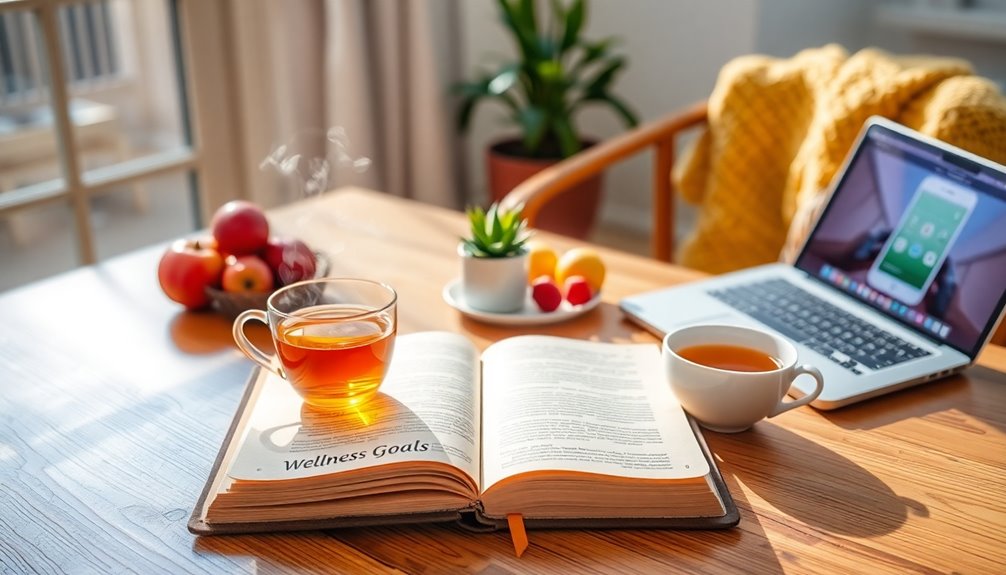
How To Create A Personalized Wellness Plan
To create a personalized wellness plan, one must first define specific goals that align with their values. Next, evaluating lifestyle habits can reveal patterns that need adjustment. Incorporating energizing activities and planning nutritious meals will improve overall well-being. Mindfulness techniques help manage stress as self-reflection encourages personal growth. Building a supportive community adds motivation, and celebrating achievements boosts confidence. With these foundations in place, there’s much more to explore for an enriched wellness path ahead.
Article Highlights
- Define specific, measurable wellness goals that align with your personal values and aspirations for a clear direction in your journey.
- Assess your lifestyle and daily habits to identify patterns and areas for improvement, enhancing self-awareness and wellness.
- Choose energizing activities and nutritious whole foods that boost your energy levels and support overall health and well-being.
- Implement mindfulness techniques and self-reflection practices to reduce stress, promote calm, and encourage a growth mindset.
- Build a supportive community and celebrate achievements to enhance motivation, accountability, and the overall satisfaction of your wellness journey.
Define Your Wellness Goals
In relation to crafting a personalized wellness plan, defining wellness goals is essential. It provides direction and clarity, ensuring individuals know what they’re aiming for. Effective goal setting involves identifying specific, measurable outcomes that resonate with one’s personal values and aspirations. These goals should be realistic yet challenging, creating a balanced approach to wellness.
To maintain focus and enthusiasm, individuals can employ motivation strategies, such as visualizing success or tracking progress. Celebrating small milestones can additionally reinforce commitment. By setting clear goals and integrating these motivational techniques, individuals cultivate a sense of ownership over their wellness path. This foundational step not only improves accountability but likewise makes the overall process more rewarding and enjoyable.
Assess Your Lifestyle and Habits
How well do individuals really comprehend their daily habits and lifestyle choices? Conducting a lifestyle evaluation is key to gaining that insight. By examining routines, individuals can pinpoint areas that need improvement. Habit tracking offers a practical approach to this evaluation, allowing one to monitor behaviors over time. Keeping a log can reveal patterns, helping to identify both positive and negative habits. For instance, tracking meals, exercise, and sleep can shed light on how these elements impact overall wellness. This self-awareness lays the foundation for a personalized wellness plan, empowering individuals to make informed adjustments. In the end, grasping one’s lifestyle is the first step toward achieving meaningful change and encouraging healthier habits. Additionally, incorporating regular cleaning sessions can further enhance overall well-being by creating a more organized and serene living environment.
Choose Energizing Activities
Even though many people may underestimate the strength of physical activity, selecting energizing activities can greatly improve both mood and energy levels. Incorporating various fun activities into a wellness plan keeps things fresh and exciting. Here are some suggestions to reflect on:
- Energizing exercises like jogging or cycling
- Outdoor adventures such as hiking or kayaking
- Group classes like Zumba or yoga for social interaction
- Movement breaks during the day to boost productivity
- Creative hobbies like painting or dancing to express oneself
Additionally, engaging in personalized learning experiences through physical activities can enhance motivation and enjoyment, making the journey toward wellness more fulfilling.
Plan Your Nutrition for Your Wellness Plan
Planning nutrition for a wellness plan is crucial, as what one eats directly impacts energy levels and overall health. To create a balanced diet, it’s important to focus on whole foods like fruits, vegetables, lean proteins, and whole grains. Meal prepping can simplify healthy eating, allowing individuals to plan and prepare nutritious meals in advance. This not only saves time but also helps avoid unhealthy choices when hunger strikes. Moreover, incorporating mindful eating practices encourages awareness of portion sizes and hunger cues, promoting a healthier relationship with food. By prioritizing these strategies, one can guarantee their nutrition supports overall wellness, enhancing both physical health and mental clarity. Additionally, maintaining indoor air quality is essential, as it can significantly influence overall well-being and energy levels.
Implement Mindfulness Techniques for Stress Relief
Implementing mindfulness techniques can greatly reduce stress levels, as these practices encourage individuals to stay present and cultivate a sense of calm. By incorporating simple mindfulness strategies, one can nurture a healthier mindset and improve overall well-being. Here are some effective techniques to reflect on:
- Mindfulness meditation: Set aside time daily to focus on your breath and observe your thoughts without judgment.
- Guided imagery: Use visualization to create a peaceful mental space, helping to alleviate anxiety.
- Body scan: Tune into bodily sensations, promoting awareness and relaxation.
- Gratitude journaling: Write down things you’re thankful for to shift focus from stressors.
- Nature walks: Engage with the outdoors, immersing oneself in the sights and sounds of nature for grounding.
Incorporating regular breaks into your routine can also enhance the effectiveness of these mindfulness techniques, allowing for moments of reflection and rejuvenation.
Build Your Wellness Schedule
Creating a wellness schedule can greatly improve one’s ability to maintain a balanced lifestyle. By establishing a consistent wellness routine, individuals can prioritize their physical and mental health. Time management plays a vital role in this process; setting aside specific times for exercise, meal prep, and self-care activities helps guarantee these fundamental tasks aren’t overlooked. Incorporating elements of a dedicated workspace can also enhance focus and motivation during wellness activities.
To build an effective schedule, one should assess their daily commitments and identify gaps where wellness activities can fit in. It’s important to remain flexible, as life can be unpredictable. Incorporating enjoyable activities into the routine can likewise increase motivation. In the end, a well-structured wellness schedule serves as a roadmap, guiding individuals toward healthier living and better overall well-being.
Track and Adjust Your Wellness Progress
While maintaining a wellness schedule is crucial, tracking and adjusting progress is equally important for long-term success. By using progress metrics, individuals can gain insights into their wellness path and identify areas for improvement. Feedback loops allow for an ongoing evaluation, enabling adjustments to be made as needed. Here are some key strategies to reflect on:
- Set specific, measurable goals for each area of wellness
- Regularly review progress metrics to identify trends
- Use journaling or apps to document experiences and feelings
- Adjust activities based on what’s working or not
- Celebrate small victories to stay motivated
- Consider conducting an energy audit to gain insights into your home’s efficiency, which can also enhance your overall well-being through a more comfortable living environment.
Find Community Support for Your Wellness Journey
A strong support system can greatly improve one’s wellness path. Connecting with others who share similar goals can provide motivation and encouragement. Support groups and local meetups offer a space for individuals to share experiences and challenges. Online forums and social media platforms allow for broader connections, making it easier to find accountability partners. Participating in wellness workshops and fitness classes not merely improves knowledge but also nurtures community ties. Community events can further strengthen these bonds, creating an environment where individuals can celebrate progress together. By engaging in these supportive environments, one can feel more empowered in their wellness journey, knowing they’re not on their own in the pursuit of healthier living. Additionally, resource allocation in wellness programs can lead to more effective support systems tailored to individual needs.
Celebrate Your Wellness Achievements
Celebrate Your Wellness Achievements
Embracing wellness achievements can greatly boost motivation and self-confidence. Celebrating these milestones not just reinforces positive habits but likewise encourages continued growth. To effectively acknowledge accomplishments, individuals can integrate self-reflection practices and gratitude journaling into their routines. Here are some engaging ways to celebrate:
- Share achievements with supportive friends or family.
- Create a vision board reflecting goals and milestones.
- Treat oneself to a small reward or self-care day.
- Write a gratitude journal entry focusing on progress made.
- Reflect on lessons learned during the path.
Additionally, incorporating interactive prompts can enhance the celebration of your progress and foster a sense of community among peers.
Frequently Asked Questions
How Do I Stay Motivated Throughout My Wellness Journey?
To stay motivated throughout a wellness expedition, one should incorporate mindful practices and positive affirmations. By dedicating time each day to mindfulness, they can cultivate awareness and appreciation for their progress. Positive affirmations can reinforce their commitment, reminding them of their goals and strengths. Celebrating small victories along the way as well helps maintain enthusiasm, ensuring they remain focused and inspired. It’s all about creating a supportive environment that nurtures their growth and well-being.
What if My Goals Change Over Time?
When goals change over time, it’s important to utilize goal reassessment strategies and flexible planning techniques. By regularly reviewing progress, one can adjust their objectives to better align with current interests and needs. This adaptability helps maintain motivation and guarantees the wellness expedition remains relevant. Embracing change rather than resisting it allows for a more fulfilling experience, encouraging individuals to stay engaged and committed throughout their evolving path.
Can I Involve Family and Friends in My Plan?
Involving family and friends in one’s wellness adventure is like planting a garden together; each person brings unique strengths that help it flourish. They can provide valuable wellness support, encouraging accountability and motivation. Group activities, whether hiking or cooking healthy meals, nurture connection and make the process enjoyable. By including loved ones, she not only enriches her plan but additionally cultivates a community that thrives on shared goals and mutual encouragement.
How Do I Deal With Setbacks or Challenges?
When facing setbacks or challenges, it’s important for her to focus on overcoming obstacles rather than dwelling on them. She should consider adjusting her expectations, recognizing that progress isn’t always linear. Instead of feeling defeated, it’s helpful for her to reflect on what went wrong and learn from it. Surrounding herself with supportive family and friends can likewise provide encouragement, helping her stay motivated and resilient in the face of difficulties.
Are There Specific Apps for Tracking My Wellness Progress?
Research shows that nearly 50% of smartphone users regularly use wellness apps to track progress. These wellness apps, like MyFitnessPal or Headspace, help individuals monitor their health path effectively. They offer features for tracking nutrition, exercise, and mental well-being, making it easier to stay accountable. By utilizing these tools, one can gain insights into their habits, making adjustments as needed for improved overall wellness. It’s a tech-savvy way to improve personal health.