
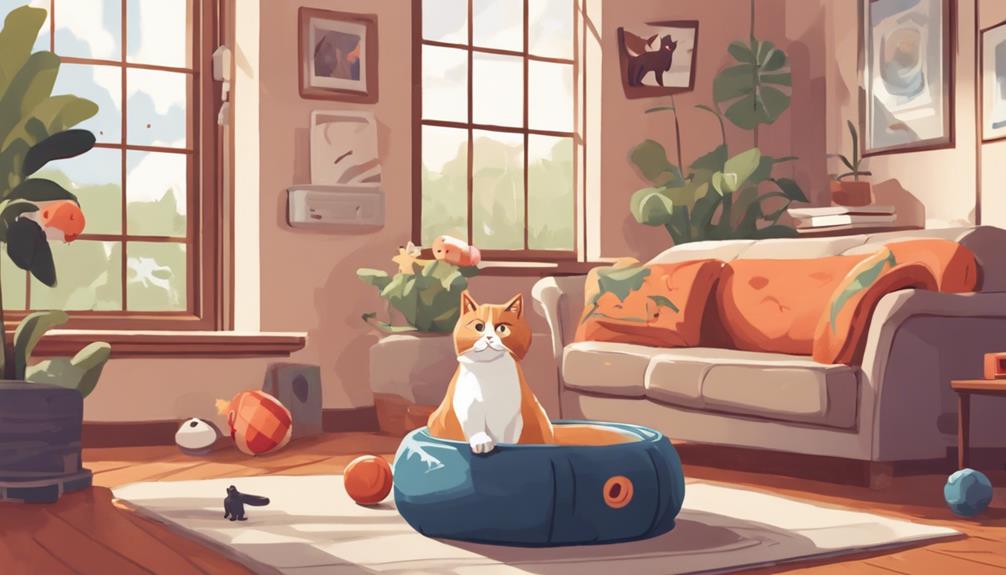
How to Create a Pet-Friendly Home Environment
You'll want to start designing pet-friendly living spaces that cater to your furry friend's needs. Allocate areas for relaxation, play, and interaction, and incorporate pet-friendly furniture and storage solutions. Choose fabrics that resist pet hair, like microfiber or Crypton, and prioritize your pet's comfort and safety in your design. Secure loose items, remove tempting trinkets, and establish cleaning routines to maintain a clean and healthy space. By following these simple steps, you'll be well on your way to creating a pet-friendly haven – and there's even more you can do to make your home a paw-fect retreat.
Designing Pet-Friendly Living Spaces
When designing pet-friendly living spaces, consider allocating areas for your furry friends to relax, play, and interact with you, ensuring a harmonious coexistence. This thoughtful approach will create a welcoming atmosphere for both you and your pets. Start by identifying spaces that can be converted into indoor pet playgrounds, where your pets can exercise and have fun. This could be a dedicated room or a section of your living room. Add pet-friendly furniture, such as orthopedic beds and scratching posts, to provide comfort and stimulation. Incorporate durable, easy-to-clean materials to maintain a fresh and hygienic environment for both you and your pets. Additionally, strategic placement of pet essentials, like food and water stations, can help keep your space organized. A cozy and inviting living room with soft rugs and pet-friendly décor will ensure your furry companions feel at home while complementing your overall interior design. To further enhance your pet-friendly living spaces, consider creating outdoor areas where your pets can explore, play, and enjoy nature. A well-designed patio or garden not only provides a safe environment for your pets but can also improve your home’s exterior appeal with thoughtful landscaping and attractive outdoor furniture. Adding features like shaded spots, pet-friendly plants, and secure fencing will not only create a beautiful outdoor retreat but also ensure your furry friends can safely enjoy the fresh air.
Incorporate storage solutions to keep pet toys, treats, and accessories organized and out of the way. This will help maintain a clutter-free environment and reduce stress. Consider adding a pet washing station or a designated area for grooming to make pet care easier and more convenient. As you design your pet-friendly space, remember to prioritize your pets' needs and preferences. Observe their behavior and habits to determine what works best for them.
Choosing Pet-Hair Resistant Fabrics
You'll want to select pet-hair resistant fabrics for your furniture and decor to minimize the constant battle against fur and dander. When it comes to choosing the right fabrics, you'll want to prioritize durable materials that can withstand the wear and tear of your furry friends. Look for fabrics with tight weaves, as they're less likely to trap pet hair. Microfiber, synthetic fabrics, and Crypton fabrics are all great options. These materials are not only pet-hair resistant but also easy to clean and maintain.
Another key consideration is stain resistant options. Accidents can happen, and having fabrics that can withstand spills and stains will make cleanup a breeze. Look for fabrics with built-in stain resistance or apply a fabric protector to your existing furniture. This will give you peace of mind and make cleaning up after your pets a whole lot easier.
When shopping for pet-hair resistant fabrics, be sure to read reviews and do your research. Look for fabrics that have been specifically designed with pet owners in mind. Some fabrics even come with built-in odor resistance, which can be a game-changer for pet owners. By choosing the right fabrics, you can create a pet-friendly home environment that's both comfortable and easy to maintain. With a little planning and research, you can enjoy quality time with your pets without worrying about the mess they leave behind.
Pet-Proofing Your Home Decor
To safeguard your home decor survives the chaos that comes with pet ownership, it's essential to pet-proof your space by securing loose items and removing tempting trinkets. You don't want to come home to find that your furry friend has knocked over a vase or chewed on your favorite shoes.
One way to pet-proof your home decor is to rethink your furniture placement. Move fragile or valuable items to high shelves or storage units that are out of your pet's reach. Consider anchoring heavy furniture to walls to prevent them from tipping over.
| Pet-Proofing Tips | Benefits |
|---|---|
| Secure loose items | Prevents accidents and damage |
| Remove tempting trinkets | Reduces temptation and mess |
| Rethink furniture placement | Creates a safer environment |
| Establish cleaning routines | Maintains a clean and healthy space |
| Supervise interactions | Guarantees a safe and enjoyable experience |
In addition to pet-proofing your space, establishing cleaning routines can help maintain a clean and healthy environment for both you and your pet. Regular vacuuming and dusting can reduce pet dander and hair, while frequent washing of pet beds and toys can prevent the spread of germs and bacteria. By following these simple tips, you can create a pet-friendly home environment that's safe, enjoyable, and stress-free for everyone.
Creating Safe Zones for Pets
By designating areas where your pet can relax and play without supervision, you can establish secure zones that offer a feeling of safety and freedom for your furry friend. These specific spaces enable your pet to unwind and participate in activities without being concerned about your continuous supervision.
When forming pet play areas, take into account your pet's age, breed, and personality. For instance, puppies and high-energy breeds may need more room to move around, while senior pets may require calmer spots for relaxation. You can arrange play areas with pet-friendly toys, scratching posts, and climbing structures. Be sure to switch toys regularly to keep your pet entertained and mentally stimulated.
Pet sleeping zones are equally crucial for your pet's overall well-being. Provide a cozy and tranquil area for your pet to rest and rejuvenate. You can set up a comfortable dog bed or a cat tower with plush cushions and blankets. Consider the ambient temperature, lighting, and noise levels in the room to guarantee your pet can sleep peacefully.
Don't forget to maintain these secure zones clean and hygienic to prevent the transmission of diseases and parasites. Routinely sanitize surfaces, clean toys, and vacuum floors to uphold a healthy environment for your pet. By establishing these secure zones, you're demonstrating your pet that you prioritize their happiness and well-being, and they'll show their appreciation with loyalty and affection.
Minimizing Pet-Related Odors
Pet owners often face the unpleasant reality of lingering pet smells, which can quickly become overwhelming if left unchecked, and it's essential to tackle these odors head-on to maintain a comfortable living space. You can take control of pet-related odors by implementing a few simple strategies.
Here are some effective ways to minimize pet odors:
- Regular Grooming: Brushing your pet regularly can reduce shedding, which in turn reduces the amount of pet dander and hair that can contribute to unpleasant odors.
- Vacuum Frequently: Use a vacuum cleaner with a HEPA filter to trap pet dander and hair, reducing the amount of odor-causing particles in the air.
- Use Odor-Control Products: Invest in odor-control products like air fresheners, deodorizers, and odor-absorbing sprays to keep your home smelling fresh.
- Change Bedding Often: Wash your pet's bedding regularly to prevent the buildup of dirt, dust, and oils that can contribute to unpleasant odors.
- Consider Air Purifiers: Air purifiers can help remove pet dander and other particles from the air, reducing odors and creating a healthier environment for you and your pet.
Frequently Asked Questions
Can I Have a Pet if I Have Allergies or Asthma?
You're wondering if having allergies or asthma means you can't have a pet? Not necessarily! With some precautions, you can still enjoy pet ownership. Start by researching breeds with low pet dander to reduce allergy triggers. Implement pet dander control measures like frequent grooming and vacuuming. Improve indoor air quality by using HEPA filters and air purifiers. By taking these steps, you can effectively manage your allergies and asthma, making pet ownership possible.
How Do I Prevent Pets From Scratching People?
You want to prevent pets from scratching people, which can be painful and stressful for both parties. To achieve this, you'll need to focus on scratching prevention and training techniques. Start by providing pet-friendly furniture with scratching posts or pads, and use deterrent options like double-sided tape or aluminum foil to discourage unwanted scratching. Consistently rewarding good behavior will help your pet understand what's allowed and what's not.
Are Certain Breeds Better Suited for Small Living Spaces?
When considering getting a pet, you'll want to think about breed compatibility with your living space. If you live in a small apartment, you'll want a breed that's suited for close quarters. Look for smaller breeds that require minimal exercise, like Bulldogs or Shih Tzus. They'll thrive in smaller spaces and don't need a big backyard to run around.
Can Pets Be Trained to Use a Litter Box Like a Toilet?
Imagine a medieval knight's trusty steed, but instead of a horse, it's your furry friend doing its business in a toilet! While it's not exactly possible to toilet train your pet like a human, you can explore alternative methods like litter box training. However, be prepared to address potential behavioral issues, such as accidents or avoidance, with patience and consistency. You'll need to tailor your approach to your pet's unique needs and personality, but with the right solutions, you can achieve a harmonious coexistence.
How Often Should I Wash My Pet's Bedding and Toys?
You're wondering how often to wash your pet's bedding and toys. The cleaning frequency depends on your pet's hygiene needs and usage. As a general rule, wash bedding every 1-2 weeks, and toys every 2-3 weeks. However, if your pet has accidents or sheds heavily, you may need to clean more frequently. Regular toy maintenance is essential to prevent bacterial growth and keep your pet healthy.


