How Tech Is Helping Fight Climate Change
Technology is playing an essential role in combating climate change, with significant advancements in various areas. Satellites are monitoring climate change, providing high-resolution images and data to track environmental changes, while AI is processing vast climate-related data to improve predictive models. Carbon capture technology is becoming more efficient, and renewable energy innovations are driving down costs. Moreover, smart infrastructure, sustainable urban development, and energy efficiency measures are reducing emissions. In addition, electric vehicles, sustainable agriculture practices, and optimized energy management are contributing to the fight against climate change – and there's still more to explore in this swiftly evolving environment.
Monitoring Climate Change From Space
Monitoring climate change from space has become an indispensable tool in the fight against global warming, as satellites orbiting the Earth provide invaluable insights into the planet's swiftly changing environment. With the ability to capture high-resolution images and collect vast amounts of data, satellite observation has transformed the way we comprehend and track climate change. By monitoring changes in the Earth's surface, atmosphere, and oceans, scientists can identify patterns and trends that inform climate modeling and prediction.
Satellite observation enables the detection of subtle changes in sea level rise, glacier melting, and ice sheet coverage, providing critical information for policymakers and researchers. Additionally, satellite data can be used to track deforestation, ocean acidification, and extreme weather events, allowing for more accurate climate modeling and forecasting. This, in turn, enables more effective mitigation and adaptation strategies to be developed and implemented.
The precision and accuracy of satellite observation have greatly improved climate modeling, enabling scientists to better understand the complex interactions between the atmosphere, oceans, and land. As the accuracy of climate models continues to increase, policymakers and stakeholders can make more informed decisions about reducing greenhouse gas emissions, investing in renewable energy, and developing sustainable infrastructure. By leveraging the capability of satellite observation, we can accelerate our response to climate change and create a more sustainable future.
Carbon Capture Tech Breakthroughs
Carbon capture technology has made considerable strides in recent years, with innovations focused on efficiently capturing CO2 emissions, developing new materials that can facilitate this process, and achieving scalability to make a meaningful impact on reducing greenhouse gases. These breakthroughs have the potential to considerably mitigate the effects of climate change by reducing the amount of CO2 released into the atmosphere. By exploring these advancements, we can better understand the role carbon capture tech can play in the fight against climate change.
Capturing CO2 Efficiently
Breakthroughs in carbon capture technology have paved the way for a more efficient and cost-effective approach to mitigating climate change. One of the most promising developments is direct air capture, which involves capturing CO2 directly from the air, followed by conversion into useful products such as fuels, chemicals, or building materials. Another innovative approach is carbon mineralization, which involves transforming CO2 into stable solid minerals through chemical reactions.
| Technology | Efficiency | Cost (per ton CO2) |
|---|---|---|
| Post-combustion capture | 80-90% | $30-50 |
| Oxyfuel combustion | 90-95% | $20-40 |
| Direct air capture | 90-95% | $100-200 |
| Carbon mineralization | 90-95% | $50-100 |
| Bioenergy with CCS | 90-95% | $30-60 |
These advancements have the potential to notably reduce emissions from various industries, including energy generation, cement production, and industrial processes. As the technology continues to evolve, we can expect to see even more efficient and cost-effective solutions emerge, playing a critical role in the fight against climate change.
New Materials Developed
Researchers have been making steady progress in developing novel materials that can selectively capture CO2 molecules, a vital component in the pursuit of efficient carbon capture technology. These innovative materials are designed to facilitate the separation of CO2 from other gases, thereby reducing the energy required for the capture process. One promising area of research involves the creation of biodegradable plastics that can absorb CO2, which can then be converted into useful products such as fuels or chemicals. Another area of focus is the development of sustainable textiles that can capture CO2 from the atmosphere, providing a wearable solution to climate change. These breakthroughs in materials science have the potential to greatly reduce greenhouse gas emissions and help mitigate the impacts of climate change. By leveraging these state-of-the-art materials, industries can shift towards more sustainable practices, paving the way for a low-carbon future.
Scalability Achieved
A pivotal milestone has been reached in the quest for effective carbon capture technology, as innovators have successfully overcome the hurdle of scalability. This breakthrough paves the way for the widespread adoption of carbon capture solutions, enabling the large-scale reduction of greenhouse gas emissions.
The key to achieving scalability lies in the development of tech partnerships that facilitate the creation of cost-effective, efficient, and modular systems. This collaborative approach has led to the following notable advancements:
- Mass production of capture units: Economies of scale have been achieved through the mass production of capture units, reducing costs and increasing deployment capabilities.
- Advanced solvent technologies: New solvent technologies have improved capture efficiency, reducing energy consumption and operating costs.
- Modular system design: Modular system designs enable easy transportation, installation, and maintenance, making large-scale deployment a reality.
- Integration with existing infrastructure: Seamless integration with existing industrial infrastructure has been achieved, minimizing disruption and maximizing impact.
These scalable solutions are poised to transform the carbon capture arena, empowering industries to markedly reduce their carbon footprint and driving progress toward a low-carbon future.
Renewable Energy Revolution
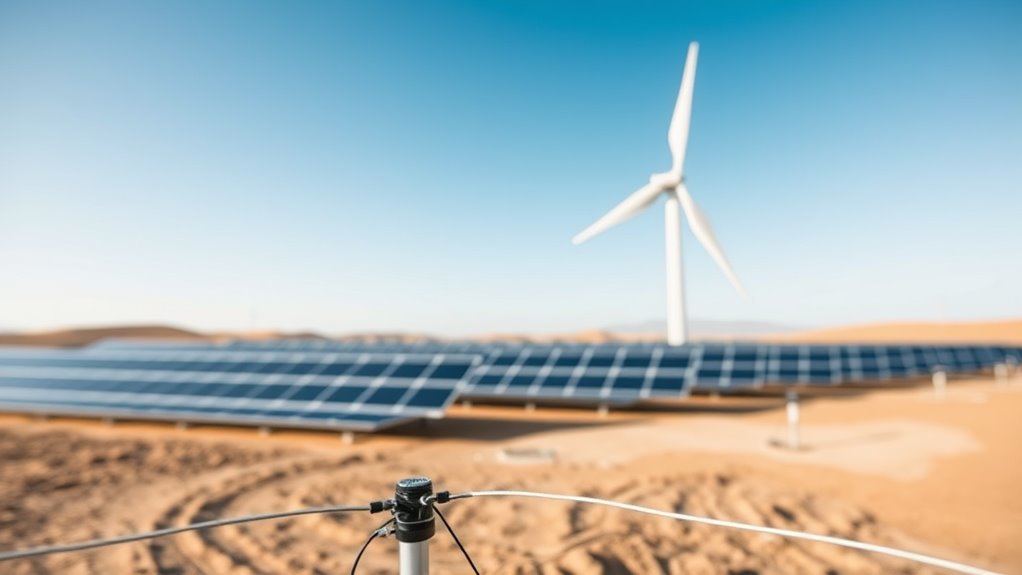
Transforming the way we generate energy, the renewable energy revolution is swiftly reshaping the global energy scenario. This shift is driven by rapid advancements in solar panel and wind turbine technologies, making them more efficient, cost-effective, and accessible. As a result, the share of renewables in the global energy mix is increasing exponentially.
| Technology | Efficiency Improvement | Cost Reduction |
|---|---|---|
| Solar Panels | 20% increase in energy output | 70% decrease in cost per watt |
| Wind Turbines | 50% increase in capacity factor | 50% decrease in cost per MWh |
| Geothermal Energy | 30% increase in exploration accuracy | 40% decrease in drilling costs |
| Hydrokinetic Energy | 25% increase in turbine efficiency | 30% decrease in installation costs |
| Bioenergy | 20% increase in feedstock yield | 25% decrease in production costs |
These advancements have led to a significant reduction in greenhouse gas emissions, helping to combat climate change. The increased adoption of renewables has additionally created new job opportunities, stimulated local economies, and improved energy security. As the renewable energy revolution continues to gain momentum, it is vital to prioritize research and development, policy support, and infrastructure upgrades to guarantee a sustainable and low-carbon future. By leveraging technology and innovation, we can accelerate the shift to a renewable energy-based economy, eventually mitigating the devastating impacts of climate change.
Smart Grids for Efficient Distribution
Smart grid technologies are transforming the way energy is distributed, making it more efficient and environmentally friendly. By optimizing energy routing, utilities can reduce energy waste and lower emissions. Real-time grid monitoring and predictive load management enable utilities to respond to changes in energy demand, ensuring a more reliable and sustainable supply of energy.
Optimized Energy Routing
Efficient energy distribution is critical to reducing the world's carbon footprint, and optimized energy routing is a key component in achieving this goal. By leveraging advanced technologies, energy providers can considerably reduce energy waste and optimize energy flow. This is made possible through the application of sophisticated routing algorithms that analyze real-time energy demand and adjust energy distribution accordingly.
Optimized energy routing offers several benefits, including:
- Reduced energy losses: By identifying the most efficient routes for energy transmission, energy providers can minimize energy losses and reduce their carbon footprint.
- Improved grid resilience: Optimized energy routing enables energy providers to quickly respond to changes in energy demand, reducing the likelihood of grid failures and electricity outages.
- Enhanced energy optimization: Advanced routing algorithms can identify opportunities for energy optimization, such as shifting non-essential energy usage to off-peak hours.
- Increased customer satisfaction: By providing a more reliable and efficient energy supply, energy providers can improve customer satisfaction and loyalty.
Real-time Grid Monitoring
Real-time grid monitoring has emerged as a linchpin in the quest for efficient energy distribution, enabling utilities to pinpoint and respond to grid anomalies in real-time. This advanced capability allows for the swift identification of electrical outages, voltage fluctuations, and other grid irregularities, thereby minimizing the likelihood of cascading failures and reducing the risk of widespread blackouts. By leveraging real-time data, utilities can optimize grid operations, anticipate potential issues, and make data-driven decisions to improve grid efficiency. This results in reduced energy waste, lower emissions, and improved overall system reliability. Additionally, real-time grid monitoring enables the integration of renewable energy sources, such as solar and wind electricity, into the grid, thereby promoting a cleaner and more sustainable energy mix. As the energy environment continues to evolve, the importance of real-time grid monitoring will only continue to grow, playing a critical role in the shift to a low-carbon future.
Predictive Load Management
Optimization of energy distribution has become a crucial aspect of the global effort to combat climate change, and predictive load management has emerged as a key component in this endeavor. By leveraging advanced technologies such as predictive analytics and energy forecasting, utilities and grid operators can accurately anticipate energy demand and adjust their supply accordingly. This leads to a reduction in energy waste, improved grid efficiency, and a decrease in greenhouse gas emissions.
The benefits of predictive load management are multifaceted:
- Peak demand reduction: By identifying periods of high energy demand, utilities can take proactive measures to reduce strain on the grid, preventing blackouts and brownouts.
- Renewable energy integration: Predictive load management enables the efficient integration of renewable energy sources, such as solar and wind energy, into the grid.
- Energy storage optimization: By accurately forecasting energy demand, utilities can optimize energy storage systems, reducing the need for fossil fuels and decreasing emissions.
- Grid resilience: Predictive load management helps utilities identify and address potential grid vulnerabilities, ensuring a more reliable and resilient energy supply.
Electric Vehicles Take Center Stage
As governments worldwide impose stricter emissions regulations and consumers become increasingly environmentally conscious, electric vehicles (EVs) are gaining traction as a viable alternative to traditional gas-fueled cars. In response, manufacturers are investing heavily in electric vehicle incentives, such as tax credits, rebates, and low-interest loans, to encourage widespread adoption. These incentives, combined with declining battery costs, are making EVs more affordable and accessible to the masses.
Additionally, the integration of autonomous driving technology is also enhancing the appeal of EVs. By leveraging advanced sensors, GPS, and artificial intelligence, autonomous EVs can optimize routes, reduce energy consumption, and improve safety. This merging of electric and autonomous technologies is poised to transform the transportation sector, reducing greenhouse gas emissions and changing the way we travel.
The impact of EVs on the environment cannot be overstated. With zero tailpipe emissions, EVs can markedly reduce air pollution in urban areas, improving public health and quality of life. In addition, EVs can be energized by renewable energy sources, such as solar or wind energy, reducing dependence on fossil fuels and mitigating climate change. As the world continues to shift towards a low-carbon economy, EVs are emerging as a critical component of the solution, driving innovation, and shaping a sustainable future.
Sustainable Agriculture Practices
Although the shift to electric vehicles is poised to transform the transportation sector, another critical area where technology is driving sustainability is in agriculture. The industry's environmental impact is significant, with agriculture accounting for around 25% of global greenhouse gas emissions. Nonetheless, technology is revolutionizing sustainable agriculture practices, enabling farmers to produce more with less.
Precision farming is a key area of innovation, leveraging advanced technologies like sensors, drones, and AI to optimize crop yields, reduce waste, and promote soil health. This data-driven approach enables farmers to make informed decisions, reducing the environmental footprint of their operations.
Some of the ways technology is driving sustainable agriculture practices include:
- Precision irrigation: Advanced sensors and AI optimize water usage, reducing waste and conserving this precious resource.
- Autonomous farming: Self-driving tractors and drones automate tasks, reducing labor costs and increasing efficiency.
- Soil monitoring: Advanced sensors track soil health, enabling farmers to apply targeted nutrients and reduce chemical usage.
- Vertical farming: Indoor, vertically stacked farms increase yields whilst reducing land use and environmental impact.
Climate Resilient Infrastructure Development
Frequently, the consequences of climate change are felt most acutely in the aftermath of natural disasters, when vulnerable infrastructure is exposed and communities are left to pick up the pieces. The devastating impact of hurricanes, wildfires, and floods on buildings, bridges, and roads underscores the critical need for climate resilient infrastructure development.
To mitigate the effects of climate change, innovative technologies are being integrated into infrastructure design and construction. Climate adaptation strategies are being employed to identify and mitigate potential vulnerabilities in existing infrastructure, in addition to informing the development of new, resilient structures. For instance, advanced materials like fiber-reinforced polymers and high-performance concrete are being used to create resilient building materials that can withstand extreme weather conditions.
Furthermore, digital twin technology is being leveraged to simulate and analyze the performance of infrastructure under various climate scenarios, allowing for proactive identification and mitigation of potential risks. Moreover, sensors and IoT devices are being integrated into infrastructure to provide real-time monitoring and early warning systems for natural disasters. By utilizing the strength of technology, we can develop infrastructure that is not just resilient to climate change but also adaptable to its unpredictable nature.
Green Tech for Urban Planning
Cities, already hubs of human activity, are expected to accommodate two-thirds of the global population by 2050, placing immense pressure on urban infrastructure and resources. To mitigate the environmental impact of this rapid urbanization, green tech is being integrated into urban planning to create sustainable and resilient cities.
- Smart traffic management systems utilize real-time data and analytics to optimize traffic flow, reducing congestion and emissions. This enables cities to prioritize sustainable transportation options, such as electric vehicles and public transportation.
- Urban green spaces are being integrated into city design, providing natural air filtration, mitigating the urban heat island effect, and offering citizens recreational areas. Green roofs and walls as well reduce energy consumption and improve air quality.
- Energy-efficient buildings are being constructed with green tech materials and designed to maximize natural light and ventilation, reducing the need for artificial lighting and heating.
- Waste management systems are being optimized through IoT sensors and data analytics, enabling cities to minimize waste and maximize recycling rates.
AI for Climate Change Prediction
The sheer volume of climate-related data being generated daily is staggering, and it's only by utilizing the strength of artificial intelligence (AI) that researchers can hope to make sense of it all. AI's ability to process and analyze vast amounts of data in real-time makes it an invaluable tool in the fight against climate change.
One of the most critical applications of AI in climate change prediction is in climate modeling. By feeding AI systems with historical climate data, researchers can create highly accurate models that predict future climate patterns and trends. These models can then be used to inform policymakers and business leaders, enabling them to make data-driven decisions that mitigate the effects of climate change.
AI is likewise revolutionizing data analysis in the field of climate change research. By automating the process of data analysis, AI systems can quickly identify patterns and correlations that human researchers might miss. This enables researchers to focus on higher-level tasks, such as interpreting results and developing strategies for climate change mitigation. Furthermore, AI-powered data analysis can be used to monitor climate change in real-time, providing critical insights into the effectiveness of climate change mitigation strategies. As the world continues to grapple with the challenges of climate change, the role of AI in climate change prediction will only continue to grow in importance.
Frequently Asked Questions
Can I Make a Difference With Individual Climate Actions?
As individuals, we often wonder if our personal actions can truly make a difference in addressing climate change. The answer is unequivocally yes. Though individual efforts may seem insignificant, they collectively contribute to a substantial personal impact. It is through collective action that we can achieve meaningful change. By making conscious choices in our daily lives, we set an example, inspire others, and create a ripple effect that can lead to widespread transformation. Every small action counts, and together, we can drive significant positive change.
How Does Climate Change Affect Global Food Supply Chains?
As the 2012 drought in the United States ravaged corn crops, prices skyrocketed, and global food chains felt the ripple effect. This anecdote illustrates the delicate dance of global food supply chains, where climate change is the disruptor. Rising temperatures and extreme weather events exacerbate food scarcity, leading to supply chain disruptions that have far-reaching consequences. The World Bank estimates that climate-related shocks could increase food prices by up to 25% by 2050, underscoring the urgent need for climate-resilient food systems.
Are Climate Change Models Always Accurate Predictions?
Climate models are vital tools for informing climate change mitigation strategies, but their accuracy is not always assured. Model limitations, such as incomplete data and oversimplification of complex systems, can lead to uncertainties in climate prediction accuracy. In addition, the complexity of climate systems and the inherent unpredictability of natural phenomena introduce additional challenges. As a result, it is essential to acknowledge and address these limitations to improve the reliability of climate models and guarantee informed decision-making.
Can Climate Change Be Reversed or Only Mitigated?
The irony: humanity's reckless pursuit of progress has led to a planet on the brink of collapse, yet it's precisely this innovative spirit that may save us. Can climate change be reversed or only mitigated? The answer lies in climate restoration, a nascent field where technological innovations hold the key. By utilizing advanced solutions, we may yet revive the planet's ailing ecosystems. The question is, will we exercise this influence wisely, or let it slip through our fingers like sand in an hourglass?
Will Climate Change Displacement Affect Only Coastal Areas?
The assumption that climate change displacement will only affect coastal areas is a misconception. Rising temperatures and extreme weather events will trigger rural migration, as droughts and desertification render agricultural lands uninhabitable. In turn, this will put immense pressure on urban centers, necessitating innovative urban adaptation strategies to accommodate the influx of climate refugees.